Tree removal in Stratford
If you are looking for tree removal in Stratford, you are likely dealing with more than just an overgrown tree. It might be a tree that is leaning too close to a roof, one that has become diseased, roots that are affecting paving, or a large specimen that is no longer safe in a built-up area. In a place like Stratford, where homes, gardens, driveways, shared access ways, retail units, schools, and busy streets all sit close together, tree work needs to be planned carefully and carried out by experienced hands.
Whether you are a homeowner in a terraced property, a landlord managing a rental, a facilities manager dealing with a commercial yard, or a resident with restricted access at the back of the property, the right team can make the whole process straightforward. A local service understands how to work around narrow entrances, parked cars, neighbouring boundaries, and the practical realities of Stratford properties. That local knowledge matters when you need a safe, tidy, and efficient result.
Our approach to tree removal is focused on safety, communication, and making life easier for you. From the first enquiry to the final clear-up, the aim is to remove the stress from the job and leave your outdoor space ready for its next use. If you need advice about a hazardous tree, want to clear space for landscaping, or simply need a tree taken down because it has outgrown the site, contact us today to request a free quote and discuss the best way forward.
Why tree removal is sometimes the right choice
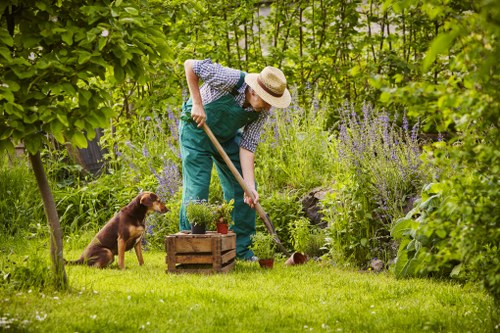
Many people would prefer to keep a mature tree if possible, and that is often the right attitude. Trees add shade, privacy, character, and value to a property. However, there are times when removal becomes the safest or most practical option. The tree may have suffered storm damage, become unstable, developed decay in the trunk or roots, or grown in a location where it now causes repeated issues with fences, drains, walls, or foundations.
In Stratford, this can be especially relevant because many properties are close to one another. A tree that has started encroaching across a boundary can quickly become a problem for neighbours, and branches that overhang roofs or pathways can create hazards. In commercial settings, trees near car parks, delivery routes, and public access areas may need to be removed to reduce risk and keep premises usable.
We always look at the bigger picture before recommending removal. In some cases, pruning or crown reduction may solve the issue. In others, particularly where a tree is dead, structurally compromised, or in the way of planned development, removal is the most sensible option. The goal is to give you honest advice so you can make a confident decision.
Local tree removal for Stratford properties
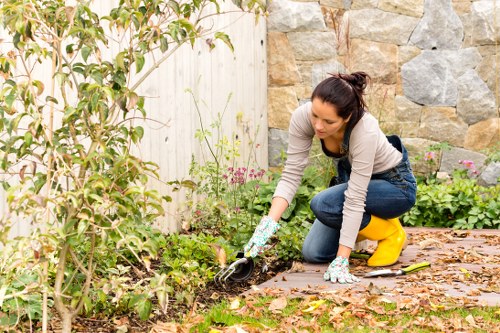
Stratford is a varied part of East London, with a mix of modern developments, older housing stock, commercial premises, communal gardens, and public-facing spaces. This variety means no two tree removal jobs are the same. A tree in a compact rear garden may need to be dismantled in sections, while a tree in a wider open area might be felled more directly if conditions allow.
Local experience helps with the details that matter. Access can be tight, front gardens may be small, and side passages may be shared. Parking restrictions, loading limitations, and nearby foot traffic can all affect how the job is planned. A team familiar with Stratford and nearby areas such as Bow, West Ham, Hackney Wick, Plaistow, Forest Gate, and the wider Newham area can prepare accordingly and avoid unnecessary delays.
We work with residential and commercial customers who need practical, reliable tree services. That includes private gardens, blocks of flats, office grounds, schools, landlords, shops, warehouses, and managed estates. No matter the setting, the same principles apply: safe working methods, careful planning, clear communication, and respect for the surrounding property.
What our tree removal service includes

When people enquire about tree removal in Stratford, they often want to know exactly what the service covers. A well-organised removal process should do more than simply bring a tree down. It should include the planning, the safe dismantling, the handling of branches and timber, and a proper tidy-up at the end.
Depending on the tree and the site, the service may include:
- Initial assessment of the tree and surrounding area
- Advice on whether full removal is necessary
- Planning for access, equipment, and safety controls
- Sectional dismantling where space is limited
- Controlled felling where site conditions allow
- Removal of branches, trunk sections, and green waste
- Raking and clearing of the work area
- Optional stump grinding or stump advice
We understand that customers often want the least disruption possible. That is why the service is designed to be efficient while still keeping safety at the centre of the work. If you need a tree gone because you are preparing to re-landscape, install fencing, improve light, or make room for construction, we can help keep the process smooth from start to finish.
How tree removal works

Every property is different, but the process generally follows a clear structure. The aim is to make the job safe, predictable, and easy for the customer to understand. If you have never arranged tree removal before, it can help to know what happens at each stage.
1. Site assessment – We look at the tree, its size, condition, and location. We also assess surrounding features such as sheds, fences, vehicles, roofs, overhead lines, and nearby gardens or walkways. This step helps identify the safest approach.
2. Planning the removal – Some trees can be felled in one controlled operation if there is room. Others need to be dismantled piece by piece using ropes and sectional cutting. The site layout, access points, and drop zones all influence the method.
3. Safety measures – We prepare the work area and use the right equipment for the tree and setting. In busy or confined locations, extra care may be needed to protect the property, passers-by, and neighbouring spaces.
4. Tree removal – The tree is taken down using the chosen method. On tight Stratford streets or in enclosed gardens, sectional dismantling is often the safest approach.
5. Waste removal and tidy-up – Branches and timber are removed unless you have asked for wood to be left for your own use. The area is cleaned as thoroughly as possible so you are not left with a mess.
This step-by-step approach gives you clarity and helps reduce disruption. It also means the work can be adapted if hidden issues appear during the job, such as rot, unstable limbs, or unexpected root spread.
Tree removal challenges common in Stratford

Working in Stratford often means dealing with practical site challenges that are less common in more open suburban locations. A local tree team should be prepared for these conditions and know how to adapt without compromising safety or quality. That is one of the biggest reasons local experience matters so much.
Some of the most common challenges include narrow access routes, shared side entrances, limited space for equipment, and the need to work around parked vehicles or bin storage areas. In terraced streets and mews-style developments, there may be little room for large machinery, so the tree must be dismantled carefully and removed in manageable sections. Where properties back onto each other, extra care is needed to protect fences, sheds, conservatories, and outbuildings.
Commercial sites can bring a different set of issues. Delivery schedules, public footfall, opening hours, and the need to keep entrances clear all affect how the job is planned. In these cases, scheduling and communication are just as important as the tree work itself. A good local service will take these realities seriously and plan the operation around them.
Signs a tree may need to be removed
Not every tree problem means removal is required, but there are certain warning signs that should be checked promptly. If you notice any of the following, it is sensible to have the tree assessed by a professional:
- Large dead branches or widespread dieback
- Cracks in the trunk or major limbs
- Sudden leaning, especially after wind or rain
- Fungal growth at the base or on the trunk
- Roots lifting paving, walls, or drives
- Repeated shedding of branches
- Damage close to roofs, chimneys, or windows
- Signs of decay or hollowing in the trunk
These symptoms do not always mean the tree must be removed, but they do mean a closer inspection is needed. In some situations, a tree may be made safe through pruning or reduction. In others, particularly where the structure is compromised, taking the tree down is the most responsible option. Safety should always come first, especially in a dense local area where people and property are nearby.
It is also worth remembering that a tree can look healthy from a distance and still have serious internal issues. If you are uncertain, requesting a professional assessment is the best next step.
Benefits of choosing a local Stratford team
There are real advantages to choosing a team that regularly works in Stratford and surrounding neighbourhoods. Local knowledge is not just about being nearby. It also means understanding the pace of the area, the types of property involved, and the practical issues that can affect access and timing.
Here are some of the key benefits:
- Faster response for urgent or safety-related jobs
- Better understanding of local property layouts, especially in tightly packed residential streets
- More practical planning for restricted access, parking, and waste removal
- Experience with mixed-use settings such as retail fronts, apartment blocks, and managed sites
- Clear communication about what can be done and how the work will be carried out
- Convenience for follow-up services like stump grinding or site clearance
A local company is also more likely to understand how important it is to keep disruption low for neighbours and nearby businesses. That means careful timing, tidy work, and an approach that respects the setting as well as the tree.
Preparing for tree removal
Good preparation can make the job smoother and help protect your property. Before the team arrives, there are a few simple things you can do to help the work go well. These steps are especially useful in Stratford, where many properties have limited outdoor space or shared access.
Preparation checklist:
- Move vehicles away from the work area if possible.
- Clear garden furniture, ornaments, plant pots, and fragile items.
- Make sure access gates or side passages are unlocked and usable.
- Let neighbours know if branches or timber may need to pass near a shared boundary.
- Keep pets and children away from the work zone during the appointment.
- Check whether you want logs or wood chip left on site for reuse.
- Point out anything the team should be careful around, such as cables, sheds, or concealed pipes.
If you are unsure about any of these points, do not worry. A professional team can explain what needs to be done when they assess the site. The important thing is to make the work area as accessible and safe as possible.
Book your service now if the tree is becoming a concern and you want to avoid last-minute problems or further damage.
Pricing factors for tree removal
Customers often ask what affects the cost of tree removal. It is sensible to want a clear idea before committing to the work, but tree removal is usually priced based on the specific site and the complexity of the job rather than a fixed one-size-fits-all figure. That is because every tree presents different challenges.
The main pricing factors typically include:
- Height, spread, and overall size of the tree
- Condition of the tree, including decay or instability
- Access to the tree and room to work safely
- Whether the tree must be dismantled in sections
- How much waste needs to be removed from site
- Whether stump grinding is included or requested separately
- Proximity to buildings, boundaries, or other obstacles
- Urgency of the job and scheduling requirements
In Stratford, restricted access often plays a major role in planning and cost because more careful dismantling may be required. That does not mean the work has to be difficult for you as the customer. It simply means the quote should reflect the practical realities of the site so there are no surprises later.
When requesting a quote, it helps to share photos, the tree’s approximate location, and any access details you already know. The more information available at the start, the easier it is to give clear advice and an accurate price structure.
Tree removal for homes, landlords, and businesses
Tree removal is not just for private gardens. In Stratford, the need can arise in many different settings, and each one has its own priorities. Residential customers often want to protect their home, improve light, or remove a tree that has outgrown the space. Landlords may need to keep outdoor areas safe and manageable for tenants. Businesses may need to maintain access, comply with site safety expectations, or improve the appearance of a forecourt or entrance.
For homeowners, the priority may be preserving garden usability or reducing the worry of branches near the house. For landlords and letting agents, speed and tidy completion are often important because vacant periods can be short and the condition of the outdoor space can affect the appeal of the property. For commercial clients, the main concern may be keeping the site safe, accessible, and presentable for staff, customers, and deliveries.
Because of this variety, we take a flexible approach. Some customers need a one-off removal, while others require repeated tree management across several properties. Either way, the service is built around practical results and minimal disruption.
What happens after the tree is removed?
Once a tree has been taken down, there may still be a few decisions to make about the site. Many customers choose to have the stump dealt with as well, especially if they want to replant, lay turf, install fencing, or use the area for paving or construction. Stumps can also become trip hazards or send up new shoots if left in place.
Common post-removal options include:
- Leaving the stump as it is temporarily
- Grinding the stump down below ground level
- Removing surface roots where appropriate
- Clearing the area for new planting or hard landscaping
- Advising on whether further site preparation is needed
If you are planning a garden makeover or preparing for a larger project, it makes sense to think ahead so the tree work and the next stage fit together properly. A professional team can help you decide what is most practical based on your intended use of the space.
Request a free quote if you want the tree removed and the site left ready for the next step.
Tree removal and safety in built-up areas
Safety is the central concern in any tree removal job, but it becomes even more important in a built-up area like Stratford. Trees close to homes, footpaths, roads, neighbouring gardens, and business premises must be handled with care. The aim is to reduce risk to people and property while keeping the work efficient.
That means considering things like how branches will be lowered, where timber will be stacked, how debris will be contained, and whether the job needs to be phased over multiple stages. Good planning helps prevent damage and keeps the site under control. It also helps the customer know what to expect on the day.
Some trees may be close to overhead cables or other utilities, while others may be surrounded by fragile structures such as greenhouses or sheds. In these situations, taking extra time to plan the approach is not a delay; it is part of doing the job properly. Careful removal protects your property and the surrounding area.
Areas covered around Stratford
Customers often want to know whether a local team covers more than just the immediate centre of Stratford. The answer is usually yes, especially when the service is focused on the wider local area and its surrounding neighbourhoods.
Tree removal services commonly cover:
- Stratford
- Stratford High Street and nearby residential streets
- West Ham
- Bow
- Hackney Wick
- Plaistow
- Forest Gate
- Leyton and nearby parts of East London where access and site conditions are suitable
If your property is just outside Stratford, it is still worth making an enquiry. Local teams often work across neighbouring districts and can advise whether the job is within their normal service area. This is particularly useful for landlords, property managers, and commercial customers with multiple sites.
Frequently asked questions
Do I need permission before tree removal?
That depends on the tree and the property. Some trees may be protected by a Tree Preservation Order or located within a conservation area. If that applies, permission may be required before work begins. It is always sensible to check this before arranging removal, especially in areas with a mix of older streets and managed developments.
Can a tree be removed if access is very tight?
Yes, in many cases it can. Tight access is common in Stratford, and sectional dismantling is often the solution. The method used depends on the tree, the surroundings, and how much room there is to work safely. A site visit or clear photographs usually help determine the best approach.
Will the roots be removed too?
Tree removal and stump removal are related but separate tasks. The tree itself can be taken down first, while the stump may be left, ground out, or dealt with later depending on your plans. If the roots are affecting paving or structures, this should be discussed during the quote stage.
How long does the work take?
Times vary widely. A smaller, straightforward tree in an open space may be removed relatively quickly, while a larger tree in a confined Stratford garden could take more time because it needs careful dismantling and waste handling. The size, access, and complexity all play a part.
What if the tree is unsafe and needs urgent attention?
If a tree appears dangerous, do not go near it or attempt to cut it yourself. Keep people away from the area and arrange for a professional assessment as soon as possible. A local team can advise on the safest next step and whether the tree needs immediate removal.
Why choose professional tree removal rather than DIY?
It can be tempting to think about handling a tree yourself, especially if it looks small or already damaged. But tree removal is one of those jobs where hidden risks can be significant. Branch tension, unstable trunks, falling debris, and awkward positioning can make the work unpredictable. In tight Stratford settings, the margin for error is even smaller.
A professional service brings the right equipment, a safer method, and experience with different tree conditions. That matters whether the job is in a back garden, a communal court, a commercial yard, or beside a boundary wall. It also means the waste can be removed properly and the area left tidy.
Choosing a skilled team is often the most efficient and least stressful option. You get clearer planning, a safer result, and less chance of accidental damage to surrounding structures or surfaces.
Book tree removal in Stratford with confidence
If a tree is becoming unsafe, blocking your plans, or causing ongoing problems, it is worth getting it assessed sooner rather than later. A local service can help you decide whether the tree should be removed, whether another option is suitable, and how the work can be carried out with minimal disruption.
From domestic gardens and rental properties to business premises and managed sites, we provide a practical approach tailored to the demands of Stratford. That means understanding access issues, planning carefully, and leaving the area in a clean and usable condition once the tree is gone.
Contact us today to discuss your tree, ask questions about the process, or request a free quote. If you are ready to move forward, book your service now and take the first step toward a safer, clearer outdoor space.
Summary of what you can expect
- Clear advice based on the tree and site conditions
- Safe removal methods for residential and commercial properties
- Local knowledge of Stratford access and parking challenges
- Removal of branches and green waste where agreed
- A tidy finish and practical next-step advice
Need help deciding whether removal is necessary?
We can talk through the condition of the tree, the space around it, and your plans for the area before any work is arranged.
Start with a simple enquiry
Request a free quote today and get straightforward guidance for your property in Stratford.
Tree removal in Stratford should feel manageable, not overwhelming. With the right local team, it can be handled safely, neatly, and with the minimum disruption to your home or business.